Chu's / Flickr
Reader Teresa cried out for help on our Facebook page and then emailed me her question about a missing discounted gift card. What would you do if you were in her position? Leave your suggestions in the comments.
Sorry can’t recall which freebie site I ordered a Barnes & Noble gift card from on sale @Christmas. Charged my Visa.
This is Bargain Babe’s – um – Captain Credit’s latest video with CreditCards.com. This time around, she shows you how to fix your credit in just three easy steps. She’s in full superhero costume!
In the second video I made for CreditCards.com, I talk about three ways to cut down on credit card offers and junk mail. Enjoy!
Watch more videos from CreditCards.com.
It’s been awhile since I made a video, and I’m super excited to come back with ones that involves my preggo belly and a blowtorch. My job rocks!
That’s quite a scowl!
Current or original price. What resonates with you when considering a purchase?
A blog called You Are Not So Smart argues that even the savviest bargain hunters, like you and me, are swayed by the original price, called the anchoring effect. I’d never heard of the term anchoring effect until reading this post, but the concept is very familiar. You Are Not So Smart shares this scenario:
You walk into a clothing store and see what is probably the most bad ass leather jacket you’ve ever seen.
You try it on, look in the mirror and decide you must have it. While wearing this item, you imagine onlookers will clutch their chests and gasp every time you walk into a room or cross a street. You lift the sleeve to check the price – $1,000.
Well, that’s that, you think. You start to head back to the hanger when a salesperson stops you.
“You like it?”
Discovering secret credit cards, unpaid bills, and debt is a blow many couples cannot survive. In fact, money is the number one cause of breakups, says the married authors of “First Comes Love, Then Comes Money: A Couple’s Guide to Financial Communication.” Comment below to win my review copy.
Unlike most personal finance books, this one is not going to teach you to balance your budget or live debt free:
Why? Because without healthy financial communication, without a commitment to putting an end to financial infidelity, none of that stuff works. After more than thirty-five years of combined experience as financial advisers, we’ve learned that if you don’t know how to talk about money with your partner, if you don’t know how to keep financial infidelity from destroying your relationship, budgets and plans and payments won’t mean squat.

Free credit score?
Reader Ruth needs help finding a free place to get her credit score. She writes:
i have found places where you can get your credit report for free. do you know of anywhere to, safely, get your credit score? seems like the ones i have checked charge for it.
Ruth, you allude to getting your free credit report through the legit site AnnualCreditReport.com, which is a great place to start. The contents of this free annual report is what makes up your score, so making sure it is accurate is essential to improving your score. But I can understand your desire to know your credit score number.
CreditKarma, which I wrote about in August 2009, provides a score free, but it is not the FICO credit score which you are seeking. The only other offers I’ve seen are “free” when you buy something else. Anybody got an answer?
Curious about what goes into your credit score? It’s been more than a year since I wrote about this, so it’s time to revisit this ever useful information.
There are five parts to your credit score. Payment history (35%), amounts owed (30%), length of credit history (15%), new credit (10%), and
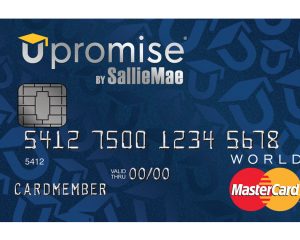
Credit.com recently listed its top three credit cards for students. Being unsure if teenagers should even have credit cards, I was curious what they recommended. Do the cards encourage responsible use? Are the usage rules and fees clearly stated? How do the cards compare to those aimed at adults?
Credit.com considered 41 factors to determine the top three cards, including annual fees, rewards to dollars ratio, online shopping discounts, APR, fees to cancel the card, how user-friendly the application is, and more.
The evaluation was run by Credit.com writer Beverly Blair Harzog, who started with 45 cards. I was surprised that out of a 100 possible points, the winning cards only scored between 50-52 points. Either Bev has ridiculously high standards, or these cards leave a lot to be desired. Here’s what she said about each one:
By Bobbi Burger Brunoehler of BobbisBargains.
You know how many credit cards say they they double the manufacturer’s warranty? It’s the reason why I pay for major appliances with credit, not my debit card or a check, and why I almost always turn down an extended store warranty. I’ve read about the warranty doubling in promotional materials but, until today, I never knew what this perk really meant and how it worked. Here’s what I found out.
I purchased a rather expensive window air conditioner from Sears one year and three days ago. I purchased this item from Sears only because I could not find this A/C unit anywhere else that included free shipping. I knew Sears did not have a friendly return policy. I did not buy an extended warranty because I knew my Discover card included an extended warranty.
Now it is 368 days later. I discover that

Real or fake? Credit: dreamglowpumpkincat210/Flickr
The fraudulent email I received from my credit card company, well, turns out it was real! After receiving the suspicious email and phone call asking for my social security number, I alerted the company and shared the email and phone number. Here is the (edited) response I received this morning from its Abuse department.
Choosing the best credit card can be time consuming, confusing and just plain hard work. However, it doesn’t have to be that way. It is definitely worth the time and trouble – credit cards are
major financial decisions, make no mistake about that – because an error here can cost you literally hundreds, if not thousands, of dollars in the long run. With the following guidelines you can keep it simple and easy.
- Decide on the type of credit card you need. There is a wide variety of credit cards available from those designed for students to professional business people. There are different pros andcons with each type of card, so it makes a difference on the type you need.
- Look for the APR, or Annual Percentage Rate, for each credit card. Some cards will offer a very low APR as an introductory offer, and at some point in time a higher interest rate will apply. These periods of time can range from a couple of months to a year. There are credit cards offering 0% APR for up to a year!
- Keep in mind credit cards with a low APR (4.99 to 8.99% is considered a good rate) apply to those with good credit. People who have less than stellar credit will be looking at interest rates of much higher than that. A credit card that assesses an interest rate at 20-30% is really not worth it, as that high of a rate will most likely make it close to impossible to pay the balance down if you don’t pay it off every month.
- Determine if the credit card allows 0% balance transfers, which will come in very handy should you need to transfer a balance from one card to another.
- Compare credit card reward programs. This can be a good way to get an extra bang for your buck. If you travel a lot, credit cards that offer air miles or hotel discounts may be a great choice for you. If shopping is your thing, many credit cards offer both online and offline deals.
Make sure you read all the fine print. It is dry and boring, but the more you know the better you can protect yourself. Sometimes making a simple spread sheet can help you detail the benefits of different cards. It’s worth the time and trouble now, to save you money and to save you from financial concerns in the future.
This is paid content. Interested in an ad? Please read my blog advertising page.
The best way to prevent identity theft is to freeze your credit, a little known and little used tactic. The second is to chose a harder password (more on that below). I learned both these tips last week during a savvy-shopping summit hosted by ShopSmart magazine, which is published by Consumer Reports.
New York Times’ Ron Lieber, who writes the Your Money column, shared the first nugget. The good thing about freezing your credit, which is NOT the same as literally freezing your credit card in a block of water, is that no company can open an account in your name this way. (The exception is any company you already have an account with.) So if a criminal, or your next door neighbor, is trying to open an account in your name, no dice. A bank, mortgage lender, or other company won’t be able to

Don't let your credit cards turn into a headache. B Rosen / Flickr
This is a post by BargainBabe.com writer Yazmin Cruz.
With recent breaches of personal data security from Sony, Michael’s, and a Dallas-based email management company, consumers must take steps to keep their information safe. Think you’re untouchable? Take these easy six steps to make sure.
- Monitor accounts – If you notice something out of the ordinary in your bank or credit card statements, give the company a call. Keep an eye out for charges in other states, online transactions, and gas charges. These transactions are the most commonly made by hackers because (more…)
Financial psychologist – that’s what Brad Klontz is. I chatted with him recently about why kids should fail financially, how our money problems stem from unconscious beliefs, and the money disorder test that can save us.
What is a financial psychologist? I’m trained as a clinical psychologist and in the last 10 years I’ve developed an expertise in personal finance. I created a treatment program for money disorders.
What is the most common money disorder? This will come as no surprise, but it’s overspending. We have a negative savings rate, credit card debt, and we’re modeling all these behaviors for our children.
So we’re teaching our kids bad habits? Yes. They watch what we do and model it. When kids see parents head down to the store, swipe plastic, and bring home a TV, what do they learn? One thing that I encourage parents to do is to break down the skills of money management. Even if you can afford to buy that TV, put a jar in the living room, put money in it. Talk to your kids about saving for it. 80% of college students have credit cards now. On average they have about $3,000 in revolving debt. Half of college students have four or more credit cards. (My emphasis.) We require kids to take a drivers ed class before they get behind the wheel, but there is no class to get a credit card.
What are three money lessons kids need that they are not learning in school?